The Role of Phonology and Phonetics in Language
Without phonology, we would not understand how they create meaning in language. Together, they are the heartbeat of human communication.
16-09-2025
To truly embrace the French language, one must not only read and write it, but also feel it in the mouth and hear it in the ear.
When you first hear French spoken, it often sounds like music, flowing, smooth, and melodious. What makes French sound this way is not just its vocabulary or grammar, but its phonétique, the study of sounds in the French language. Understanding phonétique is essential for anyone eager to speak French fluently and with a native-like accent. In this article, we'll look into the key features of French phonétique, including the sounds, pronunciation rules, and tips for mastering the French language.
Phonétique is the branch of linguistics that studies how sounds are produced and perceived. In French, this involves the way vowels, consonants, intonation, rhythm, and even silence (yes, silence matters!) shape the spoken language. Unlike English, where spelling and pronunciation can be unpredictable, French has its own logic. Mastering phonétique helps learners go beyond reading and writing, allowing them to sound French.
1. The beauty of Vowels French is vowel-rich, with sounds that do not exist in English. For example: ‘u’ in lune (moon) is pronounced by rounding the lips while keeping the tongue forward. ‘é’ in café is closed, while ‘è’ in mère is more open. These subtle differences give French its elegance. Missing them can sometimes change the meaning of a word entirely. 2. The Silent Letters In French, what you don’t pronounce is just as important as what you do. Final consonants like t, s, and d are often silent: • Grand - /grɑ̃/ (the “d” disappears) • Vous - /vu/ (the “s” is silent) But when the next word begins with a vowel, a magic connection happens, called ‘liaison’. For example: • Vous avez - /vu.za.ve/ This smooth linking creates the flowing rhythm French is famous for. 3. The Nasal Sounds One of the trademarks of French phonétique is its nasal vowels. Words like ‘pain’ (/pɛ̃/), bon (/bɔ̃/), and vin (/vɛ̃/) require air to flow through the nose and mouth at the same time. For new learners, this can feel strange, but it’s the essence of authentic French sound. 4. The Melody of Intonation French sentences carry a characteristic rise and fall: • Yes/no questions often arise at the end: Tu viens? ↗ • Statements fall naturally: Je comprends. ↘ This musicality makes French expressive and emotional, adding layers of meaning beyond words. 5. The French ‘R’ The French 'r' is pronounced in the throat (uvular fricative), quite different from the English 'r,' which is produced with the tongue near the roof of the mouth. This ‘r’ adds a distinctive sound to the French language.
Many learners focus on grammar and vocabulary but overlook pronunciation. Yet, phonétique is the bridge between knowing French and sounding French. A strong grasp of phonétique helps you: • Avoid misunderstandings (e.g., beau vs. bo). • Speak with confidence and clarity. • Understand native speakers more easily, since your ear is trained to catch subtle sounds.
French phonétique is not just about rules; it’s about rhythm, flow, and the art of expression. To truly embrace the French language, one must not only read and write it, but also feel it in the mouth and hear it in the ear.
Spread the Knowledge! 🚀
Found this article useful? Click the Share button below and let others benefit too!
Without phonology, we would not understand how they create meaning in language. Together, they are the heartbeat of human communication.
16-09-2025
If Blessing had a place like Learnguage from the start, maybe her story would have been different.
07-09-2026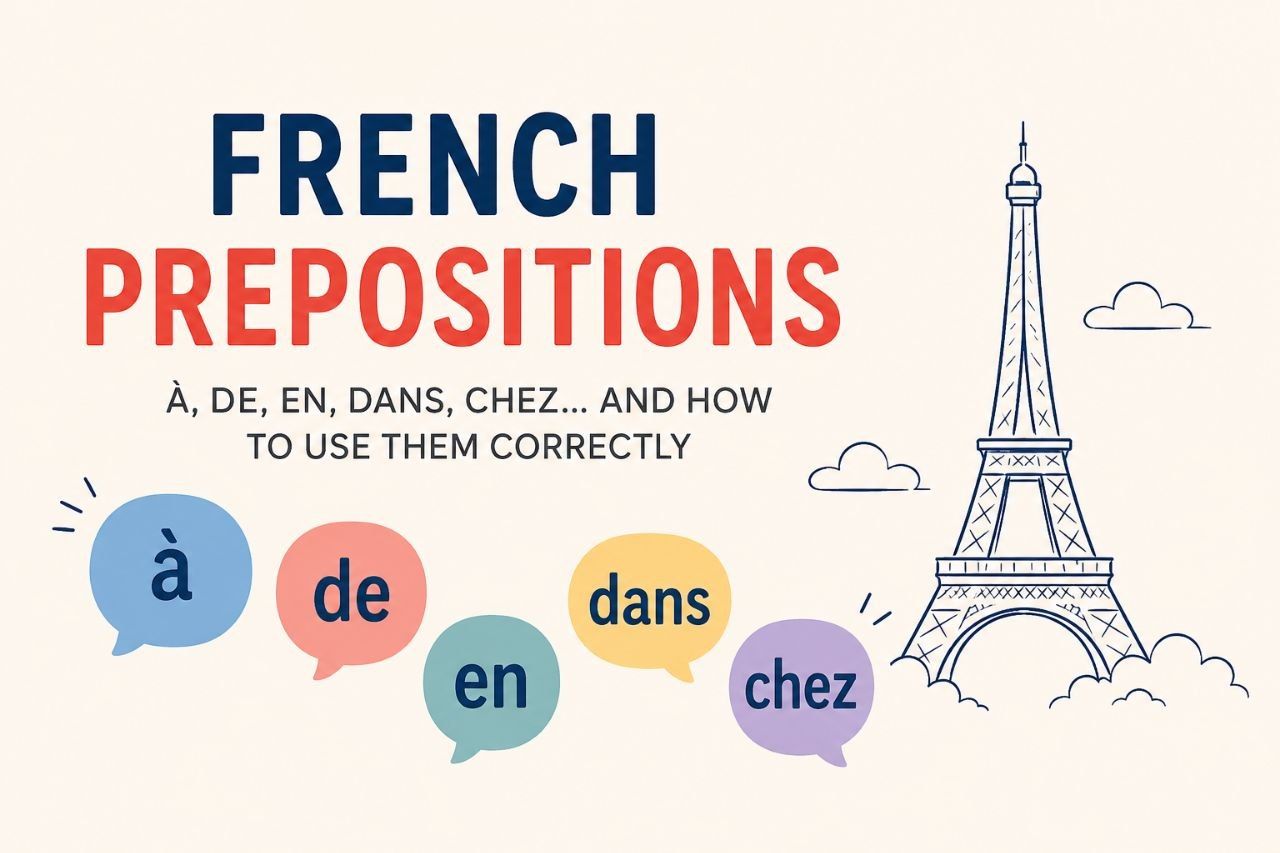
You don’t calculate the use of French prepositions; you learn them just the way they are
29-06-2026