Mastering the 5 Cs of Language Learning
Imagine knowing how to say “thank you” in Japanese (arigatou) but bowing incorrectly, oops!
16-08-2025
You don’t calculate the use of French prepositions; you learn them just the way they are
Lost Between "À" and "De"? Here's Why French Prepositions Trip Up So Many Learners Ask any French learner what part of the language they find most frustrating, and you'll hear a variety of answers: verb conjugations, pronunciation, gender, or tenses. But there's one topic that quietly confuses at every level: prepositions. They're tiny words like à, de, en, dans, and chez, yet they have an enormous impact on the meaning of a sentence. Use the wrong one, and even if every other word is correct, your sentence can sound awkward, or worse, mean something completely different. Unlike vocabulary, where you can often rely on direct translations, prepositions don't follow the same rules. What works in English doesn't always work in French, and that's exactly why so many students struggle with it. So why are French prepositions so difficult to master?
One of the biggest mistakes learners make is assuming that French prepositions work exactly like English ones. It's an understandable habit. If "to" translates as à in one sentence, it seems logical to use ‘à’ every time you see "to." Unfortunately, French doesn't follow that pattern. For example, in English, we say:
• I need a pen.
Many learners might try to translate each word individually. But French says:
• J'ai besoin d'un stylo.
The expression ‘avoir besoin’ is always followed by ‘de’. If you don't know the expression, it's easy to choose the wrong preposition. That's the secret many successful learners discover early: don't translate words, learn expressions.
Another reason prepositions are confusing is that a single French preposition can have several different meanings depending on the context. Take à, for example.
• It can show a destination: Nous allons à l'école. (We're going to school.)
• It can introduce the person you're speaking to: Je téléphone à mon frère. (I'm calling my brother.)
• It can even describe the purpose of an object: Une machine à laver. (A washing machine.) Instead of having one fixed meaning, "à" adapts to the sentence. The same is true for "de", which can express origin, possession, description, or simply follow certain verbs. That's why memorising translations rarely works.
This is perhaps the most common dilemma.Some verbs require à, while others require de. Compare these examples:
Je parle à mon professeur. (I speak to my teacher.)
Je parle de mon professeur. (I'm talking about my teacher.)
Just one small word changes the entire meaning.
Since both often translate as "in," learners regularly mix them up. Generally: Use en with countries (especially feminine ones), seasons, months, and means of transport; En France, En hiver, En voiture.
Use “dans” when referring to a location or a future point in time.
Les clés sont dans le tiroir.
Le cours commence dans dix minutes.
Although the distinction becomes easier with practice, it isn't always obvious to beginners.
English doesn't really have an equivalent for “chez”, which is why many learners overlook it. The French use “chez” to refer to someone's home, workplace, or professional establishment. For example:
Je suis chez mes parents.
Elle va chez le dentiste.
Instead of saying "to the dentist," French literally says "to the dentist's place." It's a small detail that makes French sound much more natural.
Hence, instead of trying to memorise long grammar charts, change the way you study them. Whenever you learn a new verb, learn the preposition that naturally follows it. You don’t calculate the use of French prepositions; you learn them just the way they are. For example; penser a, avoir besoin de, parler de, parler à, aller à, venir de.
Read regularly, listen to native speakers, and pay attention to how these combinations are used in real conversations. Over time, you'll stop guessing and start using them automatically. So, the next time you're unsure whether to write à, de, en, or dans, don't panic. Every mistake is another step towards understanding one of the most fascinating aspects of the French language.
Spread the Knowledge! 🚀
Found this article useful? Click the Share button below and let others benefit too!

Imagine knowing how to say “thank you” in Japanese (arigatou) but bowing incorrectly, oops!
16-08-2025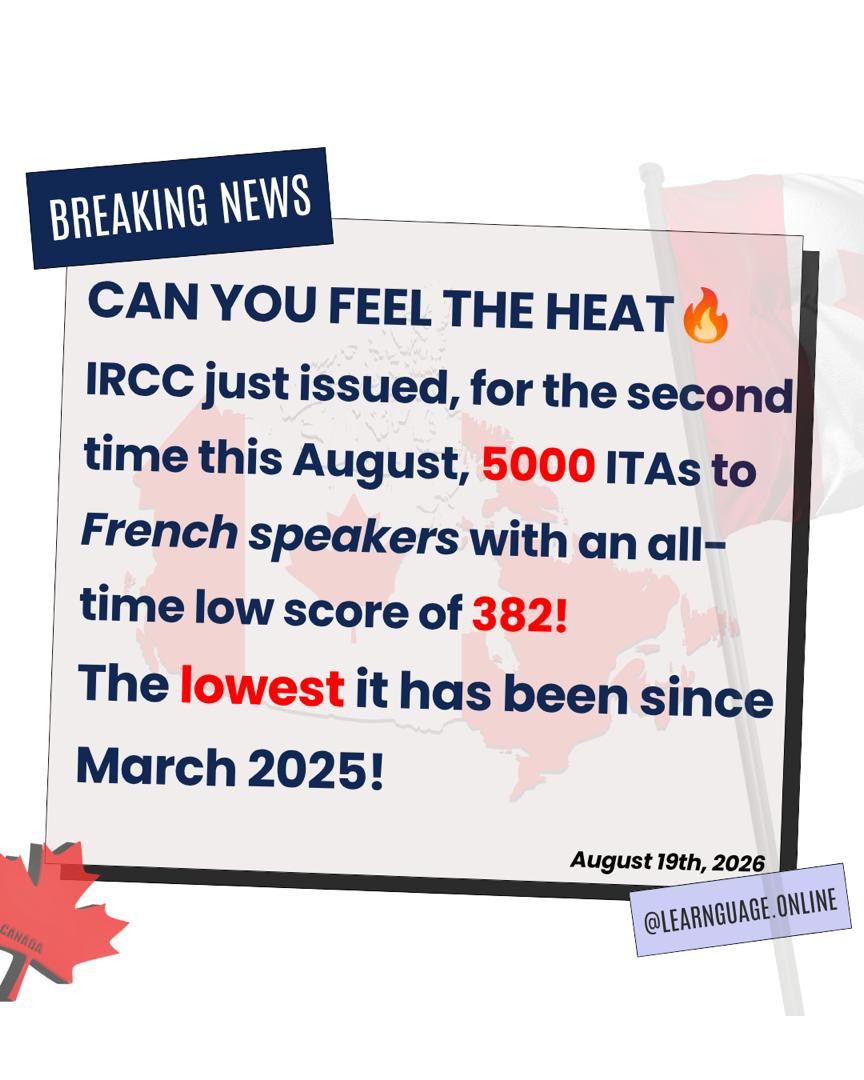
Somebody's 2am refresh is somebody else's future decided by a language class they almost skipped.
19-08-2026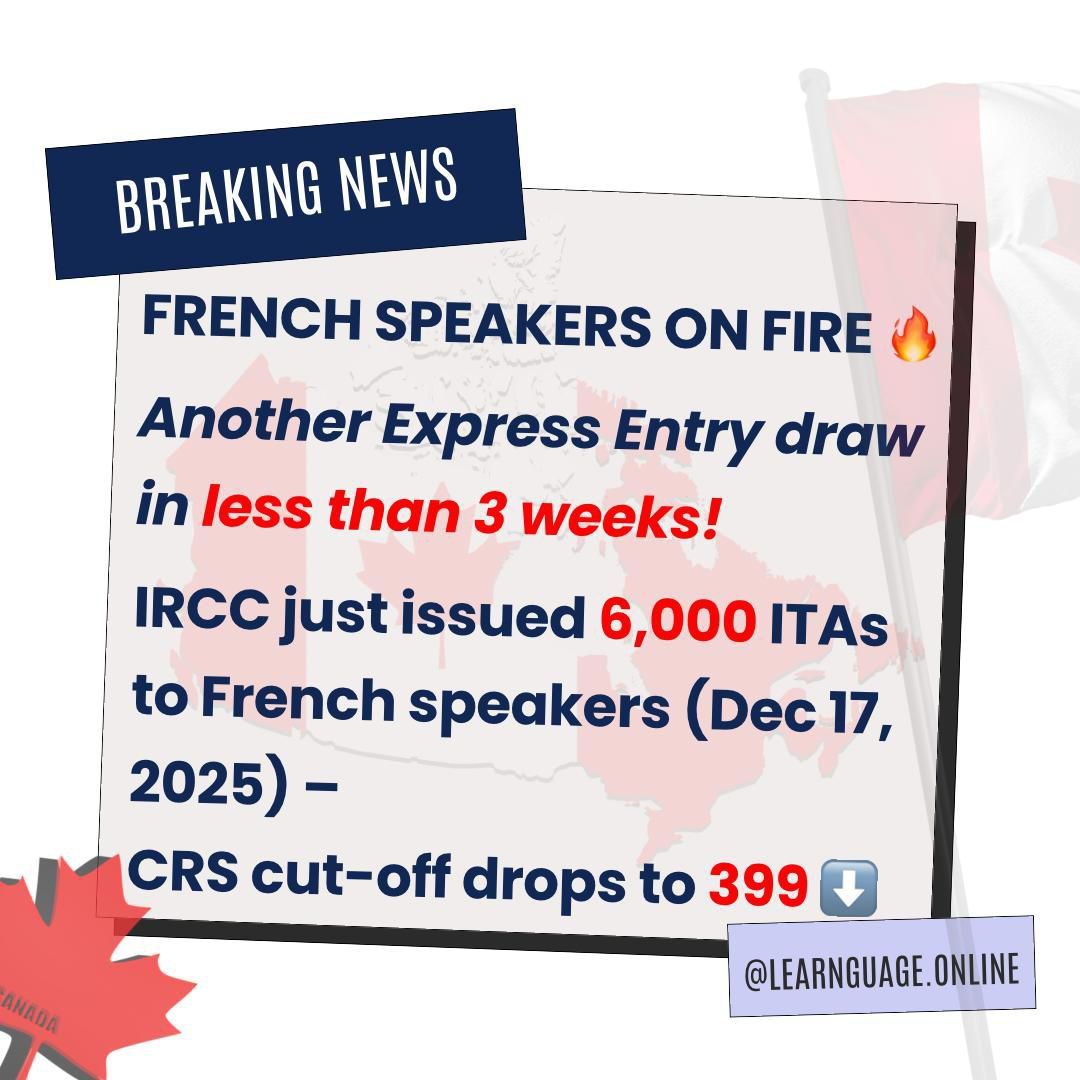
If you’ve been dreaming of a life in the Great White North, Santa Claus might have just come early.
18-12-2025