How Parents Can Encourage French at Home Without Becoming a French Teacher
What they need at home is something school cannot give: time, comfort and a reason to care
28-09-2026
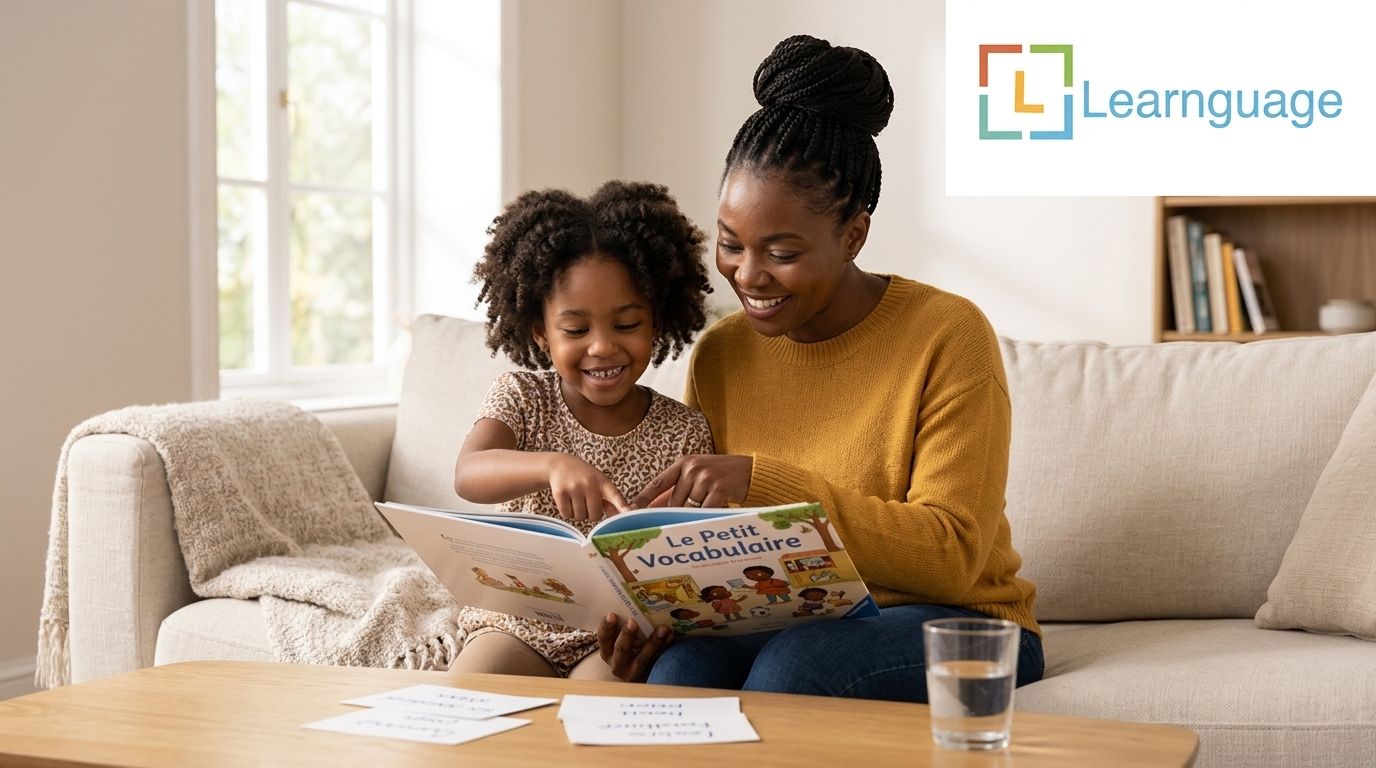
When French feels like a game, a bedtime story or a dance in the living room, the fear of mistakes disappears
Ask a child to repeat a list of French words, and you will probably see a blank face within two minutes. Now play "Frère Jacques," and watch what happens. The child is already humming, clapping and shouting "Dormez-vous?" with great joy, without once asking what the words mean. Nobody told that child to study, and yet they are learning. This is the quiet secret of songs and stories, and it is the reason good teachers and wise parents keep coming back to them.
The first reason is that music sticks. Rhythm and melody give words a shape that the brain can hold on to. Think of how easily you still remember songs from your own childhood, even those you have not heard in twenty years. A French phrase inside a tune is no longer a lonely group of strange sounds. It becomes a small package with a beat, and the memory carries it for you. This is also why songs teach pronunciation so well. Children copy the rhythm, the stress and the sounds of French naturally, without being corrected every five seconds.
Stories work in a different but equally powerful way. A child does not remember a word like "loup" because it was on a vocabulary list. They remember it because the wolf was scary and the little pig was brave. Emotion and curiosity make the brain pay attention, and what gets attention gets remembered. Picture books are especially good, because the pictures help the child understand without translation. When a child sees a bear eating porridge and hears "l'ours mange," the meaning arrives by itself. This is how children learn their first language, and it still works beautifully for a second one.
Both songs and stories also bring something that worksheets cannot give: joy. A relaxed child is a child who learns. When French feels like a game, a bedtime story or a dance in the living room, the fear of mistakes disappears. Nobody is afraid of singing the wrong word in a silly song. That freedom is exactly what children need to start speaking later, because confidence is built long before grammar.
Repetition is the last piece, and children love it more than adults do. They will ask for the same song twenty times and the same story every night for a week. Parents may get tired, but the child's brain is happily building a strong foundation, hearing the same words and sentence patterns again and again until they feel completely natural.
You do not need to be a French speaker to use this. Play a children's song while you cook, borrow a simple picture book from a library or a language centre, or let your child watch a short French cartoon with you. Sing badly if you must, because your child will not judge you, and your effort will teach them that learning a language is something warm and fun.
When you hear your child humming a French tune in the bathroom, smile quietly. They may not know it, but they are doing real language learning, and they are enjoying every second of it.
Spread the Knowledge! 🚀
Found this article useful? Click the Share button below and let others benefit too!
What they need at home is something school cannot give: time, comfort and a reason to care
28-09-2026
Every time a language disappears, humanity loses a thread in its rich tapestry.
25-07-2025
The ease of language learning depends on various factors, including the child's age, native language, and individual learning style.
25-06-2025