Canada’s Latest Express Entry Draw Again Favours French Speakers
For prospective immigrants, the message remains as simple as ever: French is no longer just an extra skill; it is a strategic advantage.
02-05-2026
These targets show that Canada intends not only to attract francophone immigrants but also to ensure their continued presence and participation in Canadian society.
The year 2026 has arrived with a breath of fresh air and life-changing news for aspiring immigrants globally. If your New Year’s resolutions included moving to a country with a high quality of life, diverse cultures, and endless career paths, Canada just made that dream much easier to reach. In a spectacular start to the year, the Canadian government has officially announced the addition of 5,000 new permanent residence selection spaces specifically reserved for French-speaking immigrants.
This exciting development is part of a strategic initiative to strengthen the French language nationwide, particularly in provinces outside Quebec. Canada is officially a bilingual country, with English and French recognised as national languages. While Quebec remains the main centre of French-speaking life, francophone communities in other regions have historically remained smaller and less visible. Over the past few years, the federal government has set targets to increase the number of French-speaking newcomers settling outside Quebec. Those targets have been met or exceeded, proving that focused planning and specialised immigration streams can attract more qualified francophone immigrants.
The addition of 5,000 permanent residency spaces represents an expansion of provincial selection opportunities. Through Canada’s Provincial Nominee Programs (PNP), provinces can select skilled workers based on labour market needs, demographic goals, and long-term development strategies. The new allocation enhances the flexibility of these programs, enabling provinces to invite more French-speaking workers, students, and professionals. This change is also linked to Canada’s long-term immigration planning. The government has announced new targets to increase the percentage of French-speaking permanent residents outside Quebec over the next few years. The goal is to reach 9% in 2026, rise gradually through 2027 and 2028, and eventually reach 12% by 2029. These targets show that Canada intends not only to attract francophone immigrants but also to ensure their continued presence and participation in Canadian society. Isn’t that music to your ears as a French speaker?
What makes this news so "good" for the average applicant is the significant reduction in competition. In the standard immigration pools, thousands of people compete based on high test scores and years of experience. However, these 5,000 spaces act like a "priority lane" for those who speak French. Because these spots are specifically set aside, the points required to receive an invitation are often much more attainable than in the general draws. If you have been worried about your CRS score being too low, your French language proficiency is now officially your greatest competitive advantage in the 2026 immigration cycle.
As we look forward to the rest of the year, this announcement sets a hopeful tone for the future of Canadian immigration. It signals a shift toward more personalised, language-based selection. To take advantage of this New Year’s gift, now is the perfect time to sit for your French language exams and update your profile. The door is open wider than it has been in years, and these 5,000 spots are waiting for those ready to leap into a bilingual Canadian future.
Spread the Knowledge! 🚀
Found this article useful? Click the Share button below and let others benefit too!
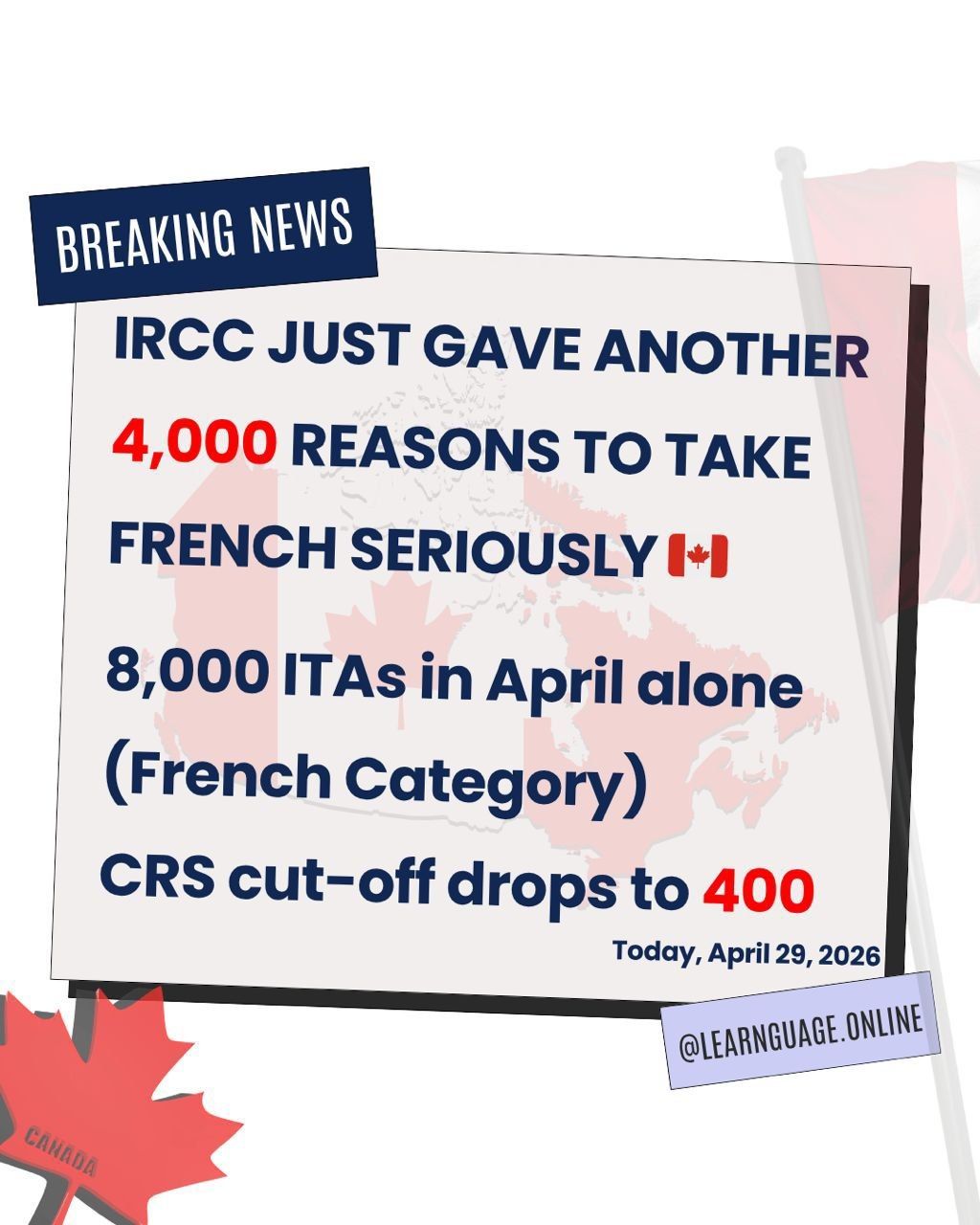
For prospective immigrants, the message remains as simple as ever: French is no longer just an extra skill; it is a strategic advantage.
02-05-2026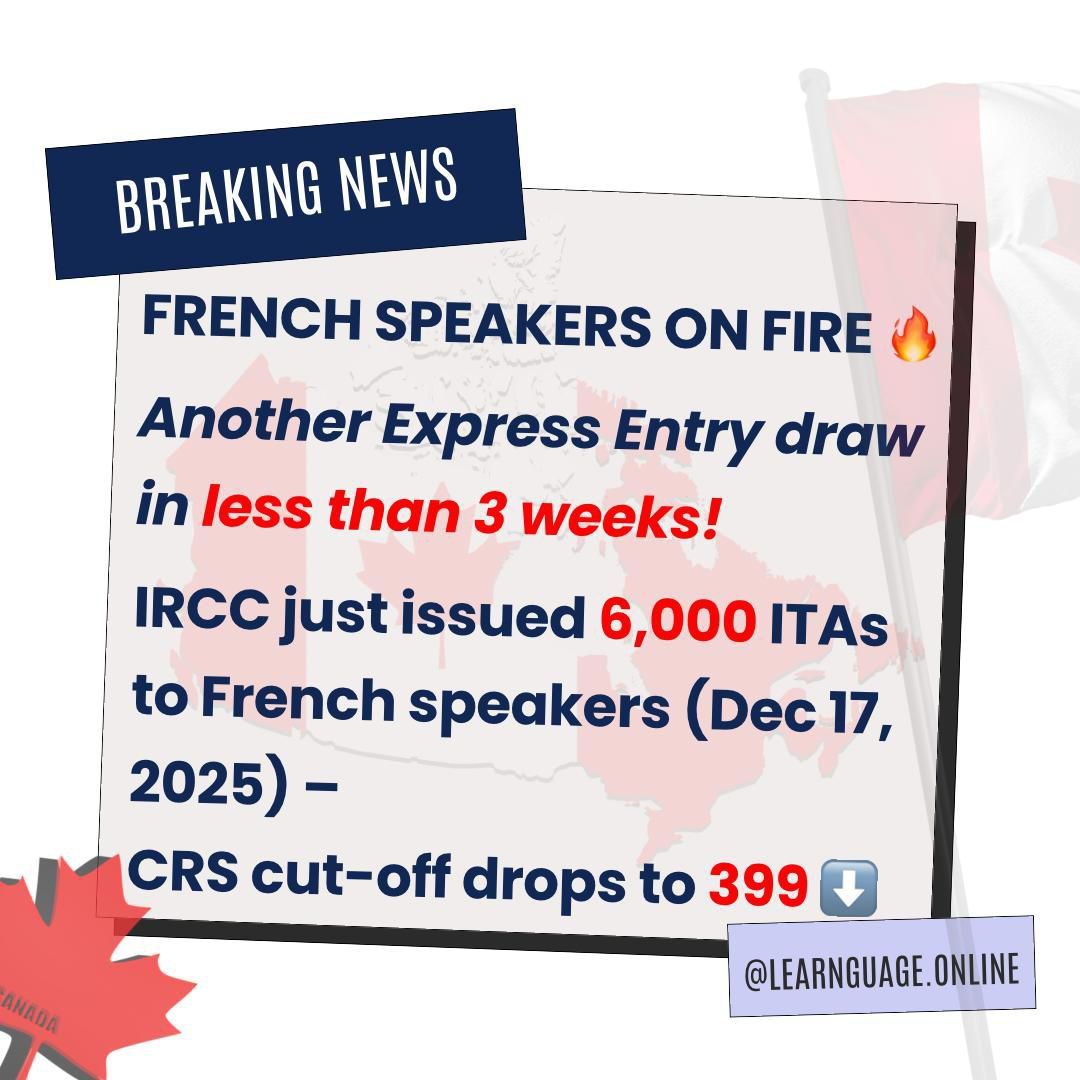
If you’ve been dreaming of a life in the Great White North, Santa Claus might have just come early.
18-12-2025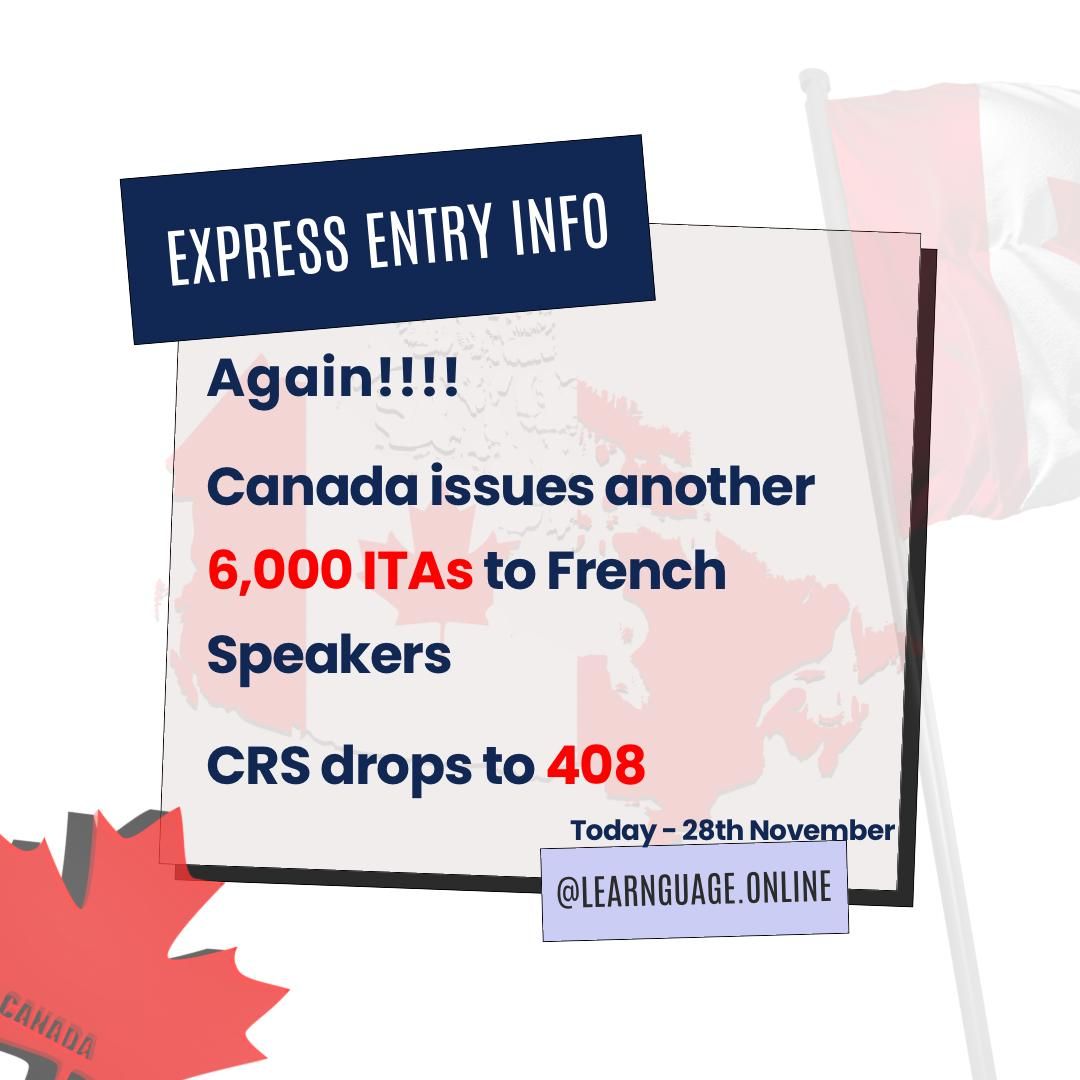
Canada's immigration department (IRCC) held another large draw on November 28, 2025, inviting people to apply for permanent residency.
09-12-2025