What Does NCLC Actually Mean? A Simple Guide for French Learners
A map is exactly what you need when you plan a long journey.
28-09-2026
Speaking French and passing TEF are not the same skill, even though they share the same language.
Imagine two friends. One has lived in Cotonou for two years, jokes easily with the market woman in French, and watches French comedy shows without subtitles. The other has never left Nigeria but has studied French grammar for six months using a structured course. If both of them sit the TEF exam tomorrow, the second friend often scores higher. This surprises people every time, and it points to something important: speaking French and passing TEF are not the same skill, even though they share the same language.
Everyday conversation is about flow. When you talk to a friend, a trader or a neighbour, you are allowed to pause, repeat yourself, use your hands, switch a word for an easier one, or let the other person finish your sentence. Nobody is marking you. The goal is simply to be understood, and real conversation forgives almost everything as long as the message gets through. This is why many people who live or work around French speakers become comfortable and fluent without ever opening a grammar book.
TEF is a different game entirely. It is a timed, structured test that checks four separate skills, listening, speaking, reading and writing, often through formats you would never meet in daily life, like describing a graph, writing a formal letter of complaint, or answering multiple-choice questions after a short recording that plays only once. There is no room to say "sorry, can you repeat?" There is no friendly face helping you find the word you forgot. The exam does not care how naturally you speak. It cares whether you can perform specific tasks, under time pressure, in the exact format the test expects.
This is why comfortable speakers sometimes struggle with TEF, and why quiet, grammar-focused learners sometimes do surprisingly well. A fluent speaker may lose marks for informal language in a formal writing task, for not organising an argument clearly, or for running out of time because they never practised the clock. Meanwhile, a disciplined learner who studied past papers knows exactly what each section expects, even if their spoken French is still a little stiff.
The lesson is simple. If your goal is daily life, conversation practice, travel and comfort with real people, focus on speaking often and listening to natural French. But if your goal is TEF, for Canada, for a visa or for a job, comfort in conversation is not enough. You need targeted practice: timed mock tests, formal writing structures, and familiarity with the exact exam format, because TEF does not test how well you speak French. It tests how well you can prove it, in the way the exam demands.
The strongest candidates are the ones who do both, building real comfort with the language and then training specifically for the exam itself. One without the other will only take you halfway.
Spread the Knowledge! 🚀
Found this article useful? Click the Share button below and let others benefit too!
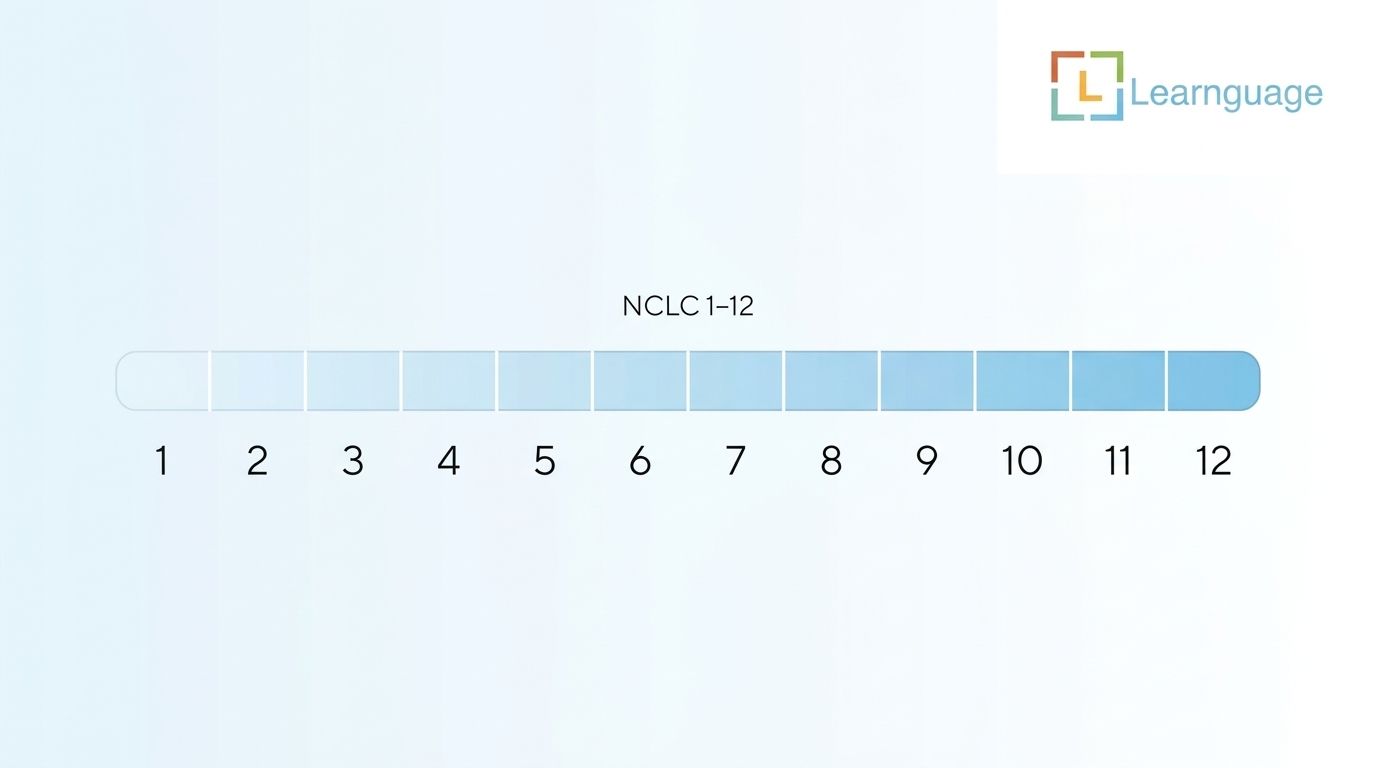
A map is exactly what you need when you plan a long journey.
28-09-2026
The goal is not to completely remove English from your French learning. The goal is to stop making English the middleman for every sentence
23-09-2026
A short daily routine is easier to maintain and much more effective than waiting for the “perfect” time to study.
23-09-2026