Why French Prepositions Confuse Almost Every Learner
You don’t calculate the use of French prepositions; you learn them just the way they are
29-06-2026
If you have ever sat in a French-only class, you know exactly this feeling, the sudden panic of losing your safety net.
The classroom door closes. Your teacher writes nothing on the board. Instead, she turns around, smiles, and says the sentence every French student secretly fears: "Aujourd'hui, on parle seulement français." Today, we speak only French. For a second, the room goes silent. Someone laughs nervously. Somewhere in the back, a student quietly starts praying. If you have ever sat in a French-only class, you know exactly this feeling, the sudden panic of losing your safety net.
For the first few minutes, everything feels harder than usual. You know the words "bonjour" and "comment ça va," but now you must use them for real, with no English escape hatch. You want to ask a simple question, but your brain searches and searches, and nothing comes out fast enough. Many students describe this moment as a kind of mental freeze, as if all their French suddenly disappeared. It did not disappear. It is just being asked to work in a new way, without translation as a crutch.
Something interesting happens after that first panic, though. Around the tenth minute, your brain stops translating and starts guessing. You begin to understand the teacher's tone, her hand movements, the words she repeats. You realise you do not need every word to catch the meaning. A student who normally says nothing in English-explained classes suddenly tries a full sentence in French, badly, but bravely, because there is no English option to hide behind. This is the hidden gift of the French-only hour: it forces your brain to use French instead of just study it.
It is uncomfortable, yes, but discomfort here is useful, not harmful. Teachers use this method because real fluency does not come from memorising rules, it comes from being pushed gently into situations where French is the only tool available, the same way a child learns to speak before learning grammar. Mistakes become normal, not shameful, because everyone in the room is struggling together.
By the end of the class, something small but important has shifted. You followed a joke without translating it. You answered a question without planning it first in English. You may still be tired, and your head may hurt a little, but you leave with proof that your French is more alive than you thought it was.
The next time your teacher says those words, do not panic. Smile back, even if nervously, because "Aujourd'hui, on parle seulement français" is not a punishment. It is the day your French stops being homework and starts being a real, living language in your mouth.
Spread the Knowledge! 🚀
Found this article useful? Click the Share button below and let others benefit too!
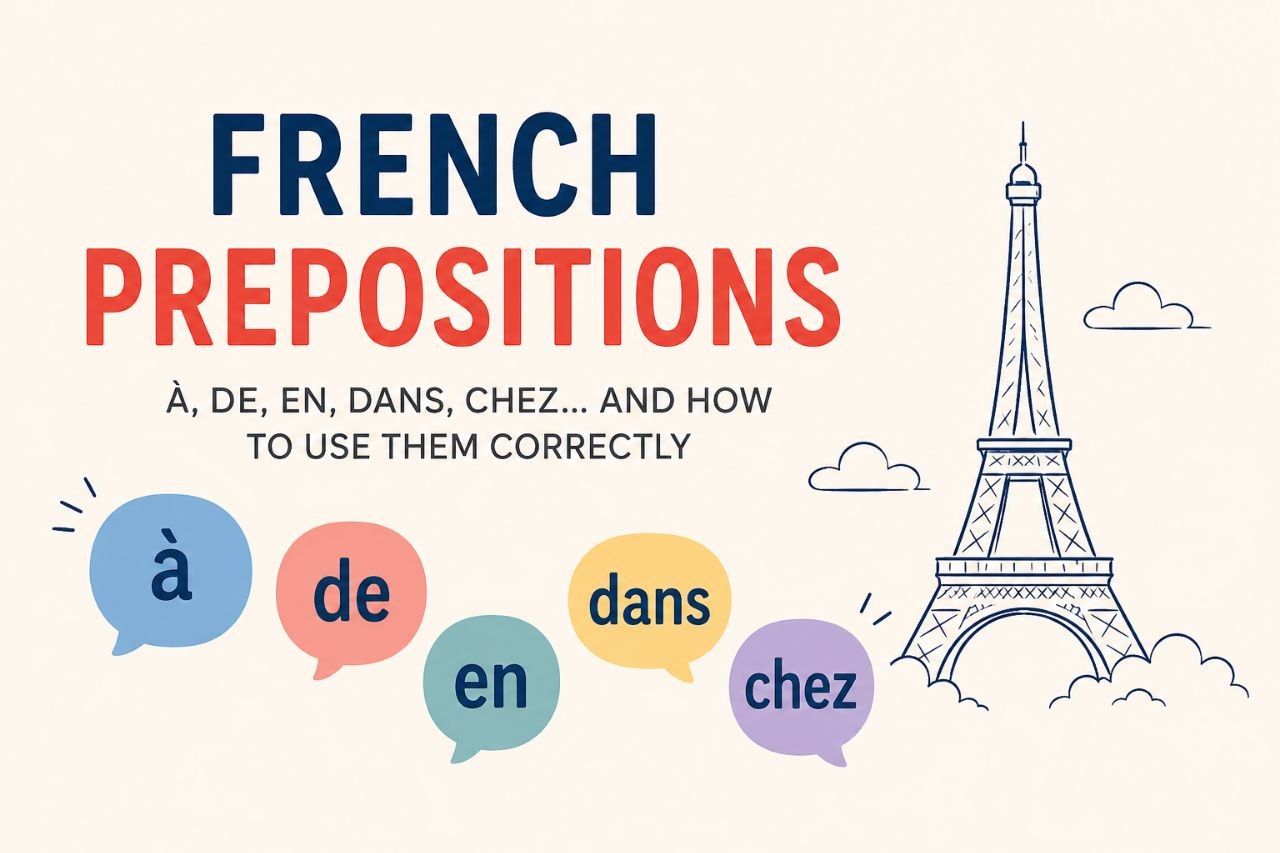
You don’t calculate the use of French prepositions; you learn them just the way they are
29-06-2026
Classroom French is like a clean, ironed shirt. Real French is the same shirt after a long day.
21-10-2026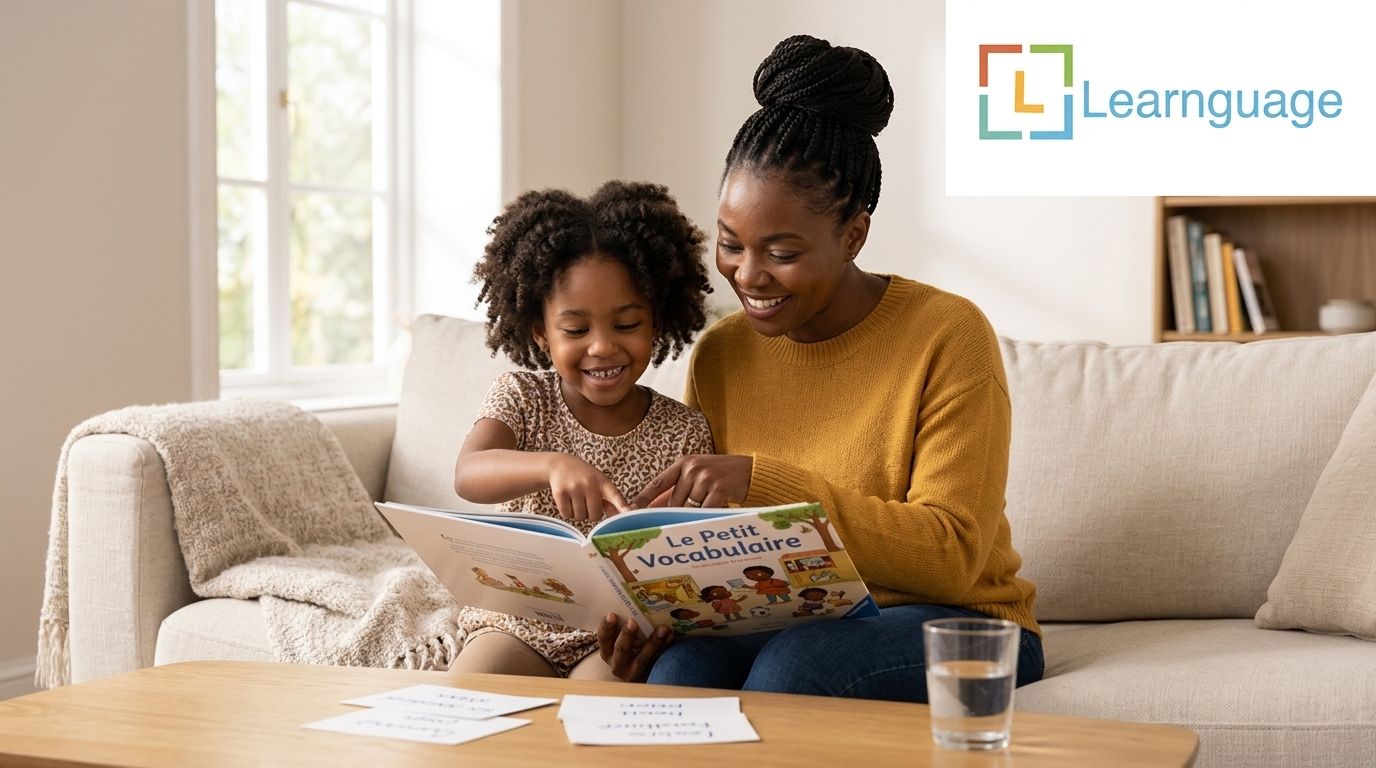
What they need at home is something school cannot give: time, comfort and a reason to care
28-09-2026