Fun Facts About Language Learning
Do you know that Learning a New Language Delays Dementia?
25-07-2025
Every child who can speak their mother tongue, or switch between English and a local language at home, already has the one skill that matters most: the brain's ability to learn language
"My son is just not good with languages." A mother said this to me while standing right next to her son, who was busy negotiating with his friend in three languages, English, Pidgin and a little Yoruba, to decide whose turn it was on the bicycle. She did not notice. Many parents do not. We have a strange habit of believing that some children are born "language people" and others are not, and we quietly place our own child in the second group before French even gets a fair chance.
The truth is simpler and kinder than that. Every child who can speak their mother tongue, or switch between English and a local language at home, already has the one skill that matters most: the brain's ability to learn language. No child is biologically unable to learn French. Some children have had more or less exposure, more or less confidence, and more or less fun with it.
The idea of being "good at languages" usually hides a different problem, fear of mistakes. Some children stay quiet in French class not because they cannot learn, but because they are scared of saying the wrong thing in front of classmates. A shy child can be an excellent language learner once the fear is removed, sometimes even faster than the loud, confident child who talks a lot but rarely listens carefully.
Talent also matters far less than people assume. What actually builds fluency is repeated, relaxed contact with the language, hearing it, trying it, getting it wrong, and trying again. A child who hears a French song every week will absorb more than a child who was called "naturally gifted" but only opens a textbook once a month. Consistency quietly defeats talent almost every time.
This is good news for every parent who has ever said "French is not for my child." It means you do not need to wait for a sign of giftedness before starting. You simply start, the same way a child learns to walk, by trying, falling, and trying again, without anyone deciding in advance whether they are "a walking person."
If your child struggles at first, resist the urge to label them. Instead, lower the pressure, add more fun, and give them time. A child who sings along to a French cartoon today may be the same child confidently chatting with a French-speaking cousin five years from now, not because they were born gifted, but because nobody told them they could not do it.
Spread the Knowledge! 🚀
Found this article useful? Click the Share button below and let others benefit too!
Do you know that Learning a New Language Delays Dementia?
25-07-2025
If you have ever sat in a French-only class, you know exactly this feeling, the sudden panic of losing your safety net.
15-10-2026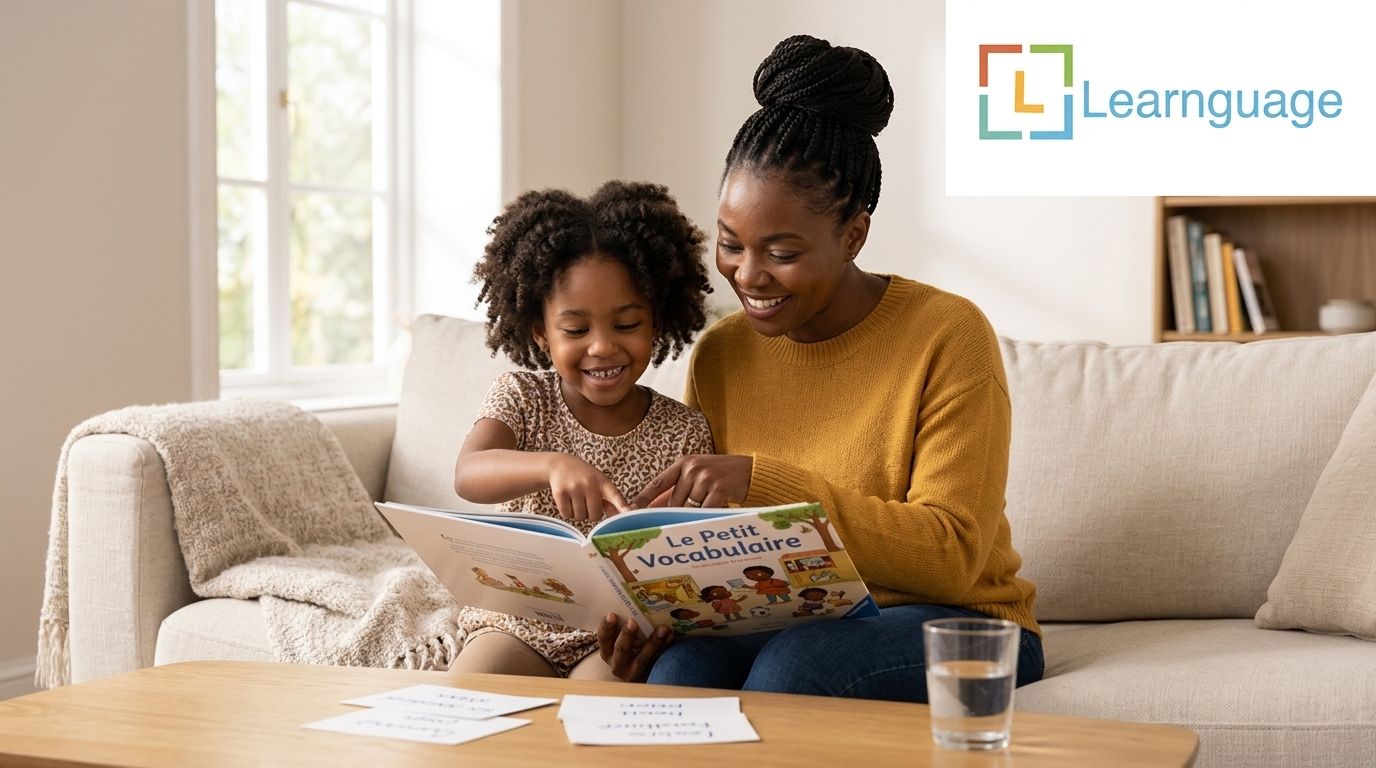
What they need at home is something school cannot give: time, comfort and a reason to care
28-09-2026