Nigeria is surrounded by French. Benin is on our western border, Niger to the north, Cameroon and Chad to the east. Yet many of us can pass a French exam and still freeze when a Beninese trader says "Bonjour, ça va?" at the border. That is the first surprise: learning French here does not make you a French speaker. It makes you very good at answering questions on paper.
The problem starts in school. French is taught in many classrooms by teachers who were never trained in it, sometimes by no teacher at all, with a textbook older than the students. We memorise verb tables, copy dialogues about "Pierre et Marie au marché," and write exams. Nobody asks us to speak. So by the time you decide to learn seriously, you discover you have been studying a language you have never once heard used in real life.
Then comes the loneliness. In Paris or Abidjan, you step outside and the language is everywhere. In Ibadan, Lagos or Kano, you can go a whole year without meeting someone to practise with. You mutter sentences to yourself, and people ask, "Why French? Is it not English we speak?" Even supportive friends cannot help you, because they know as little as you do.
The practical struggles are just as real. Learning apps eat data, and data is expensive. A lesson stops halfway when the light goes off. Good courses, like those at the Alliance Française, cost money that many learners simply do not have. And nobody warns you that your own accent will fight you. The French "u" and "r," the silent letters, and the nasal sounds do not exist in Yoruba, Igbo, Hausa or Nigerian English, so your mouth refuses to obey your brain. Add the gender of nouns, where a table is "feminine" and a book is "masculine" for no reason anyone can explain, and even strong students feel like giving up.
The hardest struggle, though, is inside your head. You know the words, but you are afraid of making mistakes, so you stay silent. Every learner in Nigeria has felt that shame, the fear of sounding foolish in a language that is not "ours." That fear does more damage than any grammar rule.
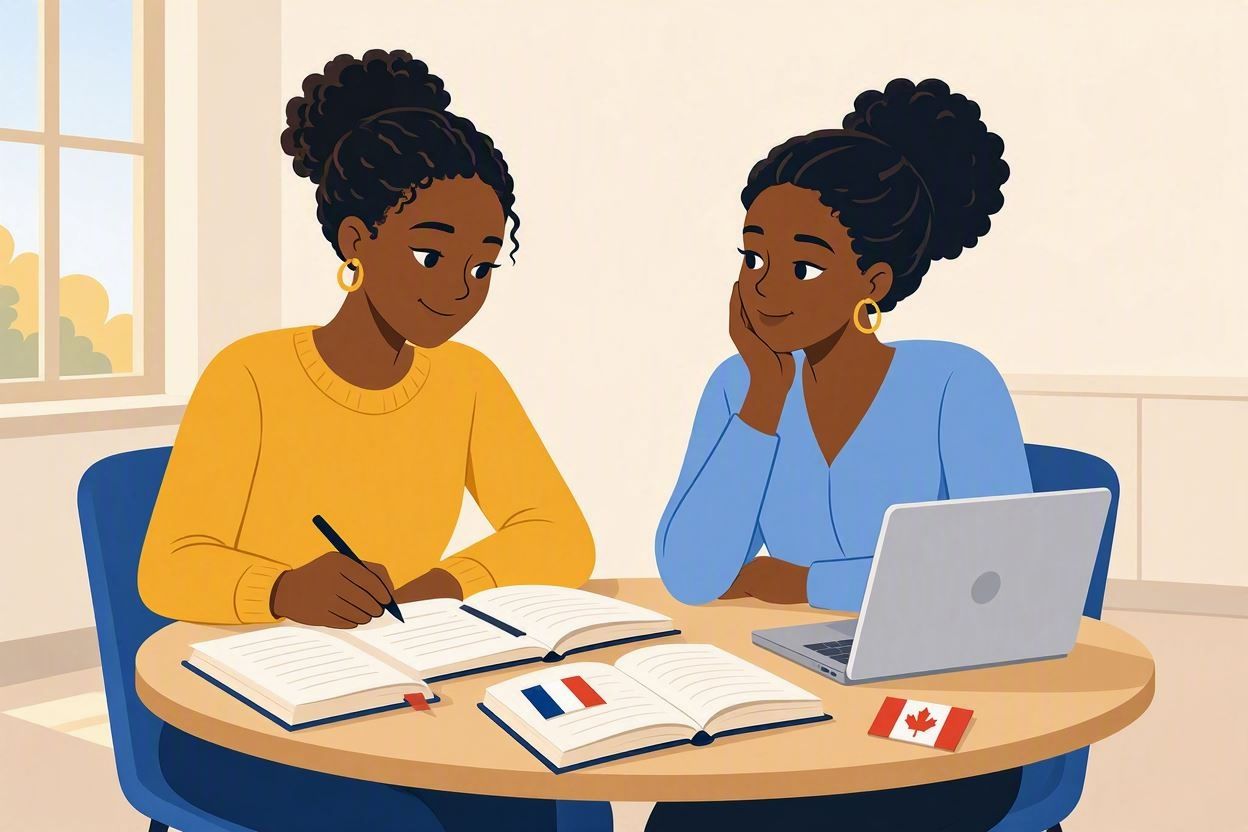
But there is a way through, and it is simple. Speak early and speak badly. Find one partner, even online, and talk for ten minutes a day. Listen to RFI or watch French films with subtitles, and download your lessons when you have data, so the light cannot stop you. Give up the idea of perfect French, because nobody speaks it perfectly, not even the French.
The reward is real. French opens doors to jobs in diplomacy, trade, teaching and translation, and to neighbours we have lived beside for generations without truly hearing them. The road is harder here than anywhere, but the person who finishes it does something rare: they turn a school subject into a living voice.
Spread the Knowledge! 🚀
Found this article useful? Click the Share button below and let others benefit too!